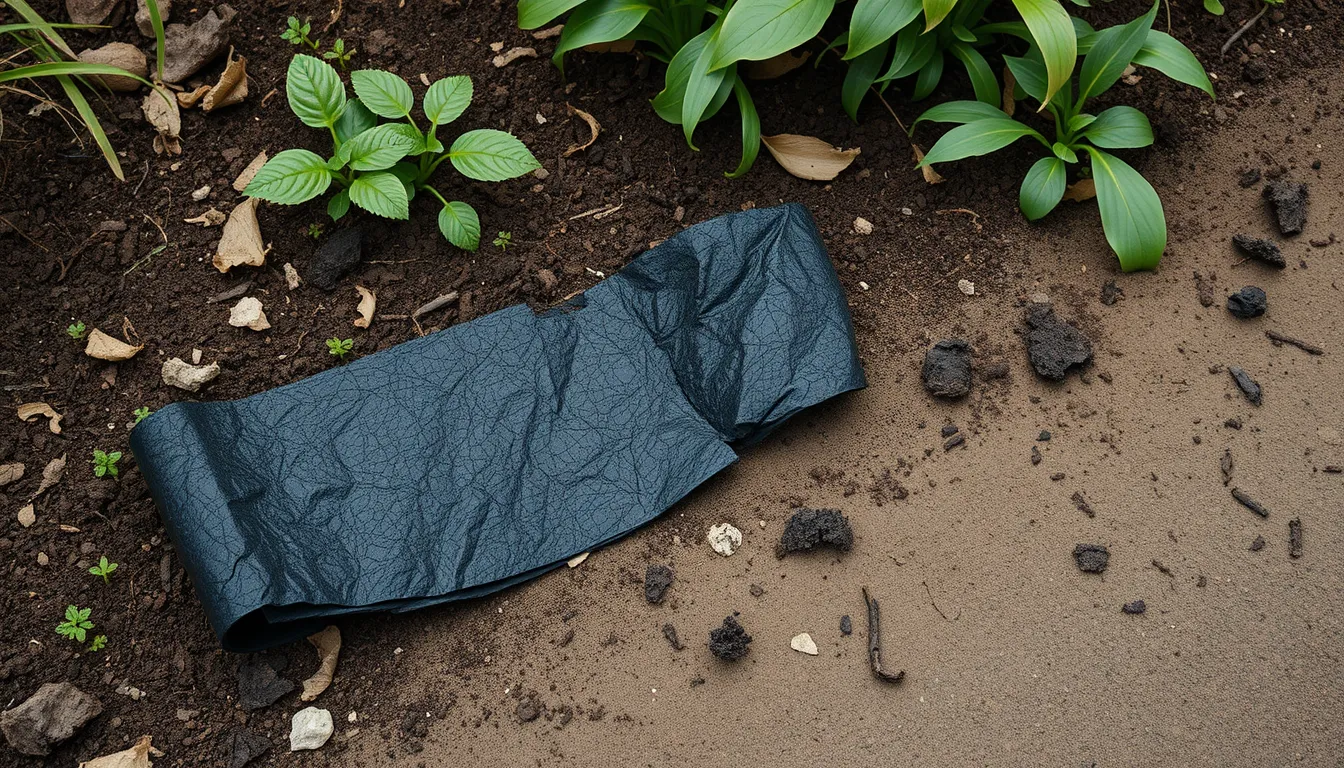
Orangeburg Pipe in Dallas Homes
A pipe made of wood pulp and tar was sold as a sewer line, and some Dallas houses still have it.
- Camera footage and written scope before any price
- City of Dallas permits handled when the main is touched
Ask about your line
Tell us what is backing up. We call back to confirm a window.
What was sold and when
Orangeburg is a bituminised fibre conduit, produced from wood pulp and coal tar pitch, marketed as a lightweight alternative to cast iron from the late 1940s into the 1950s. It was never intended to carry sewage for decades and it absorbs water over time. The material reached Dallas in the post-war building wave, so it turns up in additions and infill from that window rather than across the whole older housing stock.
How it announces itself
It does not crack like clay or corrode like iron. It deforms: first into an oval, then into a flattened slit. A homeowner experiences that as backups that clear and return, and as a line that a cable can open but never stays open. On camera the wall looks matte and slightly fibrous, and the cross-section is visibly out of round. Once that is seen, the conversation moves straight to replacement.
Why repairs do not work on it
A patch needs sound material to bond to. A liner needs a round host pipe to cure against. Orangeburg offers neither, and cutting into it usually makes the section worse. Bursting works because the old conduit has no structural resistance to the bursting head, and the new HDPE follows the same path at the same grade. Short runs in open yards can simply be trenched and replaced.
Buying a house with it
Ask for a camera run in the option period and look at the first ten feet past the cleanout. If the pipe is present, treat the replacement as a known cost in the negotiation rather than a future surprise. Sellers rarely know what material they have, so the inspection is as much for their information as yours.
Questions on this topic
Which Dallas decades have Orangeburg pipe?
It was installed mainly from the late 1940s into the 1950s in post-war additions and infill. It is not present in every home of that era, so a camera run is the only reliable check.
Is Orangeburg illegal to leave in place?
It is not illegal to have it, but it is at the end of its usable life and fails progressively. A collapsed line becomes an immediate health problem for the occupants.
Can you line Orangeburg instead of replacing it?
Rarely. The deformed pipe cannot provide a round host for the resin, so bursting or replacement is the durable option.
How much does Orangeburg replacement cost in Dallas?
It is priced per linear foot like any lateral renewal, roughly in the same range as clay or cast iron replacement. Access, not material, is the main variable.