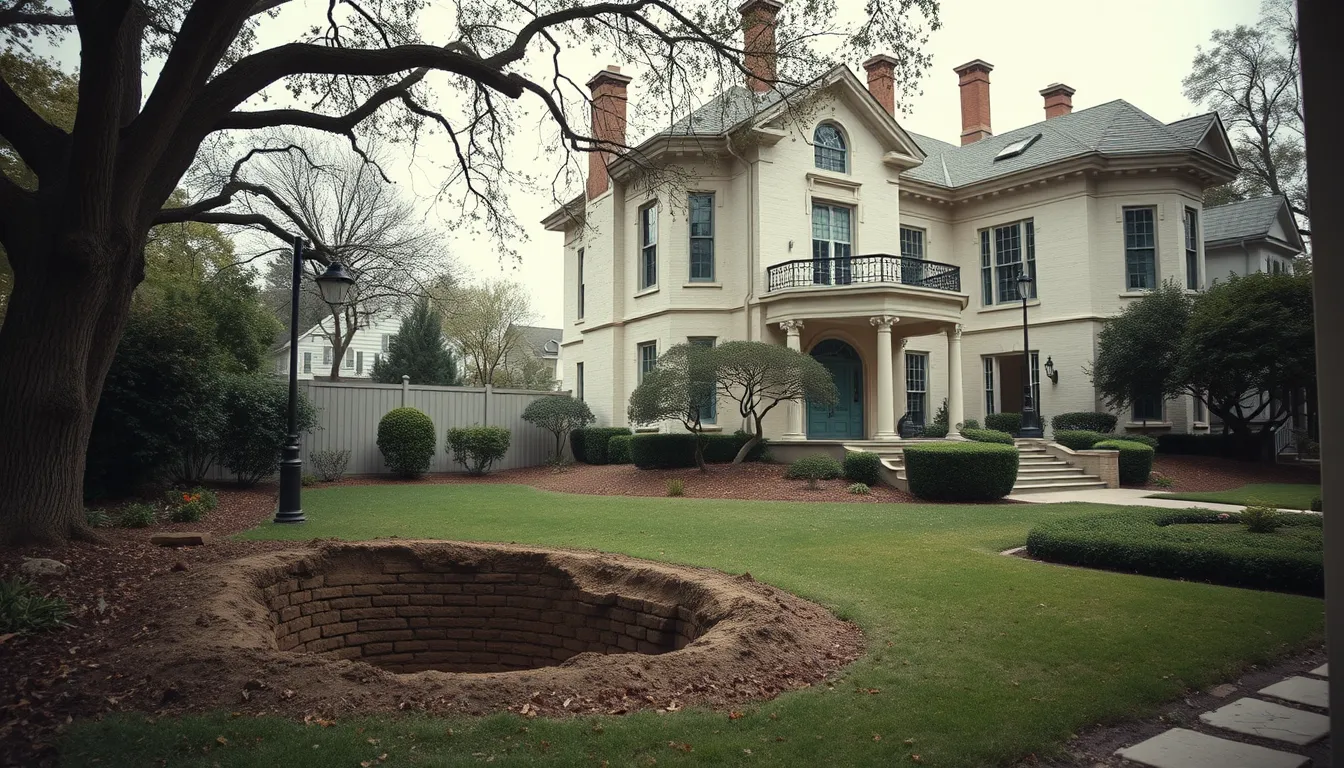
Sewer Line Repair in Swiss Avenue, Dallas
Swiss Avenue is a historic district where the plumbing is as old as the architecture above it.
- Camera footage and written scope before any price
- City of Dallas permits handled when the main is touched
Swiss Avenue sewer callback
Tell us what is backing up. We call back to confirm a window.
A district inside East Dallas
The Swiss Avenue Historic District sits in East Dallas and forms part of the Munger Place addition, one of the area’s early subdivisions. The blocks are lined with large houses from the early twentieth century, and the district designation protects the streetscape in a way that constrains how exterior work is done.
Plumbing that matches the architecture’s age
The houses here were built when cast iron was the standard lateral material, and many still have original runs beneath mature gardens. A century underground is beyond the expected service life of cast iron, so crown failure and heavy tuberculation are the common findings. Where a house has been restored, the lateral may or may not have been part of that work.
Historic review and exterior work
District rules focus on visible exterior change, which means a pit in a side garden is treated differently from a trench across a front lawn. Planning the access point before applying for permits avoids a review cycle that stalls the job. Interior plumbing work generally falls outside that review.
Permits and the main connection
City of Dallas permits the repair and Dallas Water Utilities inspects any connection to the public main. On a street of this age, the main may be older and shallower than a modern drawing suggests, so a locate before excavation is not optional.
Protecting mature grounds during a repair
Gardens here have had a century to establish. Trenchless work keeps disturbance to two pits and protects root systems that would not survive a continuous trench. Where the pipe does not qualify for lining or bursting, the access route is chosen to avoid the most established planting.
Alleys, carriage houses and mixed runs
The district’s original layout included rear service structures, and some have been converted into garages or living space. That leaves secondary lines feeding former carriage houses, sometimes tied into the main run in ways the current owner never sees. A camera pass from each cleanout, not just the main one, keeps that hidden branch from being missed.
Working on a street with heritage trees
The trees along these blocks predate most of the surrounding construction. Root systems extend well past the canopy line, and a trench that looks clear above ground can sever structural roots below it. Placement of pits, not just the choice of trenchless method, is what protects the canopy.
Copper, lead and the other pipes in an old basement
On houses of this age the sanitary lateral is rarely the only buried line. Water service, irrigation and sometimes old gas stubs run through the same ground. Before a trench is opened, each service needs marking so a repair on one does not sever another. On a century-old property that marking step is not optional housekeeping.
What the district expects after the work is done
Restoration standards on these blocks are visible from the street, so backfill and surface reinstatement get judged by neighbours and by the district. Sod is replaced rather than seeded, paving is relaid at the original level, and any heritage tree within the work zone gets protection before the first shovel goes in. A repair that leaves a trench scar across a historic lawn is a repair the district will remember.
ZIP codes commonly associated with Swiss Avenue: 75204.
Swiss Avenue sewer questions
Is Swiss Avenue part of East Dallas?
Yes. The historic district sits within East Dallas and forms part of the Munger Place addition.
Do historic district rules cover sewer repairs?
They focus on visible exterior change and streetscape. A pit in a side garden is treated differently from a front-lawn trench, so plan the access point early.
Can original cast iron on Swiss Avenue be saved?
Sometimes it can be lined if the wall is sound and the pipe still round. Generalised crown loss means replacement is the honest answer.
Will trenchless work protect old garden plantings?
It reduces disturbance to two pits rather than a continuous trench, which is the main protection available for established root systems.