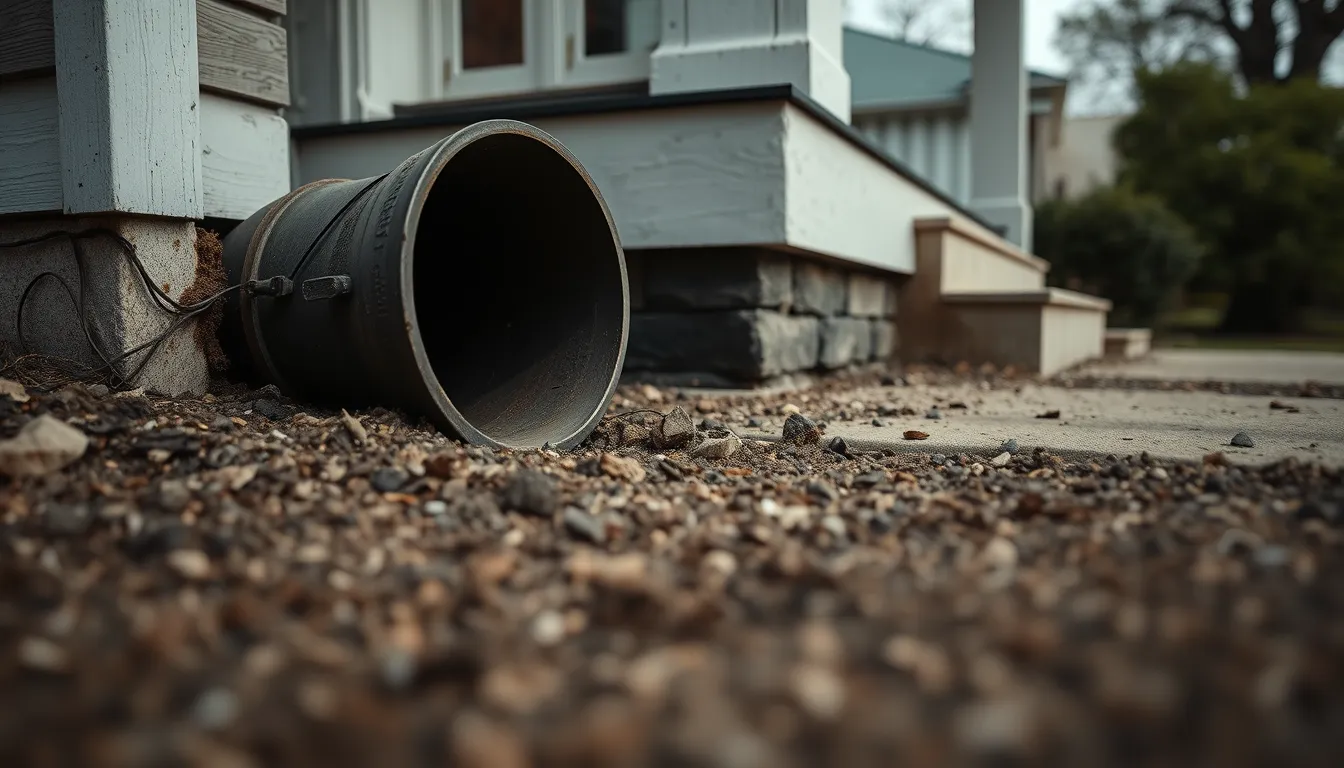
Sewer Line Repair in Winnetka Heights, Dallas
Winnetka Heights is one of the oldest historic districts in Oak Cliff, and its laterals are older still than its designation.
- Camera footage and written scope before any price
- City of Dallas permits handled when the main is touched
Winnetka Heights sewer callback
Tell us what is backing up. We call back to confirm a window.
Boundaries of the district
Winnetka Heights is bounded by Davis Street, signed as State Highway 180, along the north and 12th Street to the south, with Willomet Avenue forming the western edge. It is one of the largest and oldest historic districts in the Oak Cliff section of Dallas, and the street grid inside those lines has changed very little since the houses went up.
The housing era and its pipe
The district was built out in the early twentieth century, when cast iron laterals were standard. Those runs have now spent roughly a century in Blackland clay, which means the pipe has been flexed by seasonal soil movement for far longer than its design life assumed. Crown loss and open joints are the expected findings on camera.
Pier-and-beam construction and access
Many houses here sit on pier-and-beam foundations rather than slab, which changes how the line leaves the building. The lateral often exits through a crawl space or a side wall before reaching the yard, so the access point is usually easier to reach than on a slab home. That is one reason repairs here can be less invasive than the same job in Far North Dallas.
Permits and historic review
City of Dallas permits apply, and Dallas Water Utilities inspects main connections. Historic district rules concentrate on visible exterior change, so the choice of where to open the ground matters as much as how the pipe is replaced.
What a Winnetka Heights call usually finds
Most calls produce a camera run showing a century-old cast iron lateral with crown loss, sometimes with a section of clay tile where an earlier repair tied in. The decision is between lining a sound host pipe and replacing a run that has passed the point where lining would hold.
Alley access across the district
Blocks here were platted with rear alleys, and the cleanout is frequently in the alley rather than the front yard. That is good news for a repair because the machine and the spoil stay out of the garden. It also means the access agreement, if the alley is shared, should be settled before the crew arrives.
Crawl spaces and what they reveal
Under a pier-and-beam house, the underside of the plumbing is visible from the crawl space. Cast iron waste lines often show their condition there before the underground lateral fails, and a technician can note rust, previous patches and support problems in the same visit as the camera run.
Porch footings and the pipe path beside them
Craftsman-era porches sit on masonry piers or brick footings that often run deeper than a modern contractor expects. A lateral running close to the foundation has to clear those footings, and an access pit placed without checking will undermine one. Probing the footing line before digging is the difference between a clean repair and a structural problem.
ZIP codes commonly associated with Winnetka Heights: 75208.
Winnetka Heights sewer questions
What streets bound Winnetka Heights?
Davis Street, or State Highway 180, on the north, 12th Street on the south, and Willomet Avenue on the western edge.
Why are cast iron laterals common in Winnetka Heights?
The district was built out in the early twentieth century when cast iron was the standard lateral material. A century underground exceeds its expected life.
Does pier-and-beam construction make repairs easier?
Usually. The lateral often leaves the house through a crawl space or side wall rather than under a slab, so the access point is easier to reach.
Can a century-old cast iron lateral be lined?
Only if the wall is still sound and the pipe remains round. Widespread crown loss means replacement, because a liner needs a host pipe with integrity.